




Hip replacement restores a severely damaged hip joint with an artificial joint.

About 1 hour

About 10 cm

Spinalor General

5 days after surgery

After 2 weeks

After stitch removal

Hip replacement is used when the joint is severely damaged or for advanced degenerative arthritis. It is the final surgical option for patients whose hip damage makes daily life difficult, and it is safe and effective.
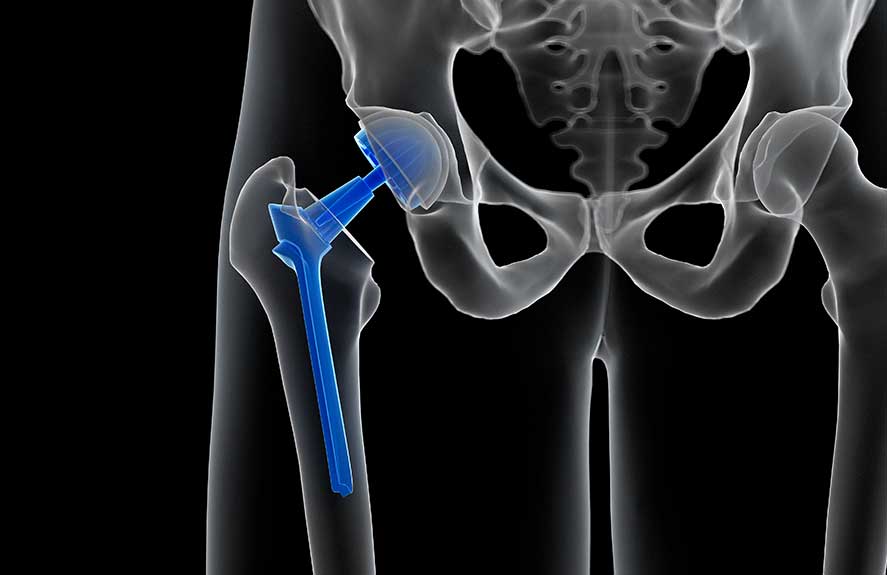

A surgical treatment for severe degenerative arthritis, injuries, fractures and similar conditions
Performed for patients who struggle with daily life even with conservative treatment, crutches or a cane
Pain so severe that daily life is impossible
Frequent joint pain, including pain at rest
Persistent pain that does not improve with medication, physical therapy or injections
The tissues and muscles around the joint are incised and the joint is fully exposed.
The damaged femoral head and part of the pelvic socket (acetabulum) are removed.
An artificial joint made of medical-grade materials that are harmless to the body is inserted to fit the position.
Start with light walking for 5–10 minutes, about 3–4 times a day
Gradually increase exercise time based on your recovery, as prescribed by your doctor
Avoid strenuous exercise such as hiking or marathons
Avoid postures such as squatting, crossing your legs or twisting your back
Adequate rest is needed after surgery. During rehabilitation, avoid too much activity and follow the treatment plan faithfully.
After surgery, medications such as antibiotics and painkillers must be taken regularly, following the schedule your doctor gives you. Certain measures are also needed in daily life after surgery.
Keep the surgical site clean and dry. Avoid swimming and bathing until the wound has fully healed. Some activities may also need to be restricted after surgery.
Follow your doctor's instructions and avoid exercise or activities that are physically exhausting. Regular rehabilitation is needed after joint replacement. Programs vary by patient but generally include strengthening and flexibility exercises.
It is important to be guided by your doctor and physical therapist during rehabilitation, so that you can regain as much function as possible after surgery.
After surgery, have regular check-ups and take preventive measures as your doctor advises.