




X-rays are taken first. If rheumatoid or infectious hip arthritis is suspected, blood tests are also performed.



Learn about the symptoms, causes, self-check and treatment of hip osteoarthritis.

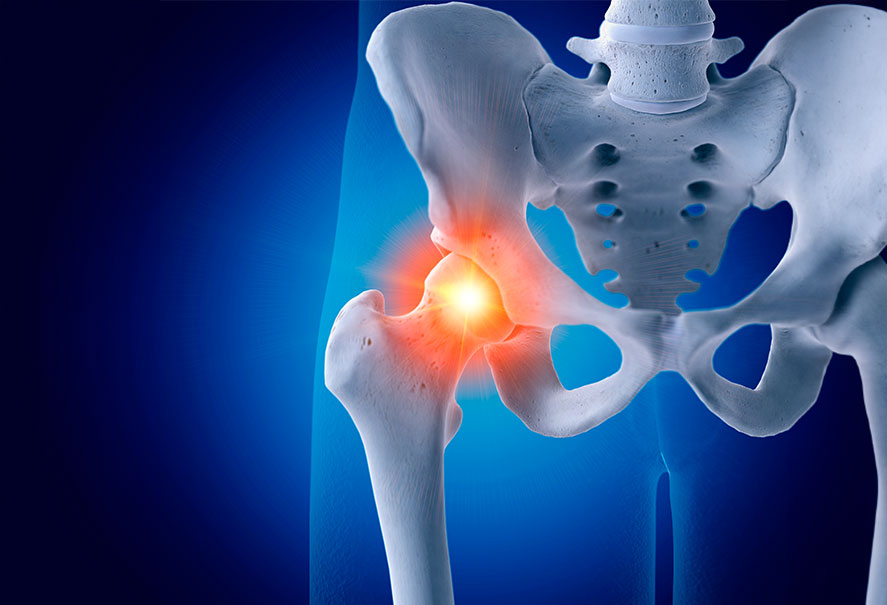
The hip joint lies between the pelvis and the thighbone (femur). Hip osteoarthritis is a condition in which the cartilage protecting the joint wears away, causing inflammation in the hip. It is divided into primary osteoarthritis, in which the joint is damaged by aging without a specific cause, and secondary osteoarthritis, caused by acquired factors such as external impact or the after-effects of other diseases.
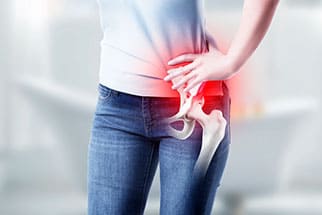 01
Pain in the buttocks, lower back and groin
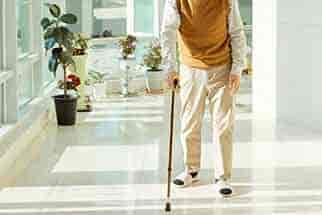 02
Limping
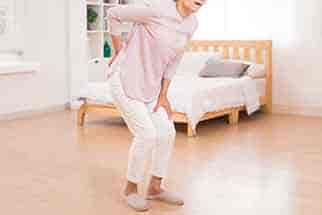 03
Difficulty straightening the leg
 04
Limited range of motion in the hip
 05
Pain in the buttock area when sitting cross-legged
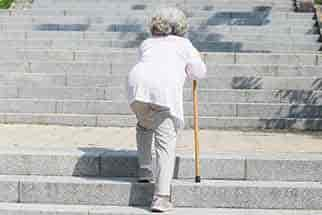 06
Pain when climbing stairs

Primary: caused by aging

Secondary: caused by acquired factors such as external impact or the after-effects of other diseases

Place your legs in a figure-4 position. If your right hip hurts, first put your right leg over your left knee.
Then, with one hand, press lightly on the opposite (left) side of your pelvis to hold your body steady, and with the other hand gently push your right knee toward the floor. If this causes pain in the groin, you may have hip arthritis.
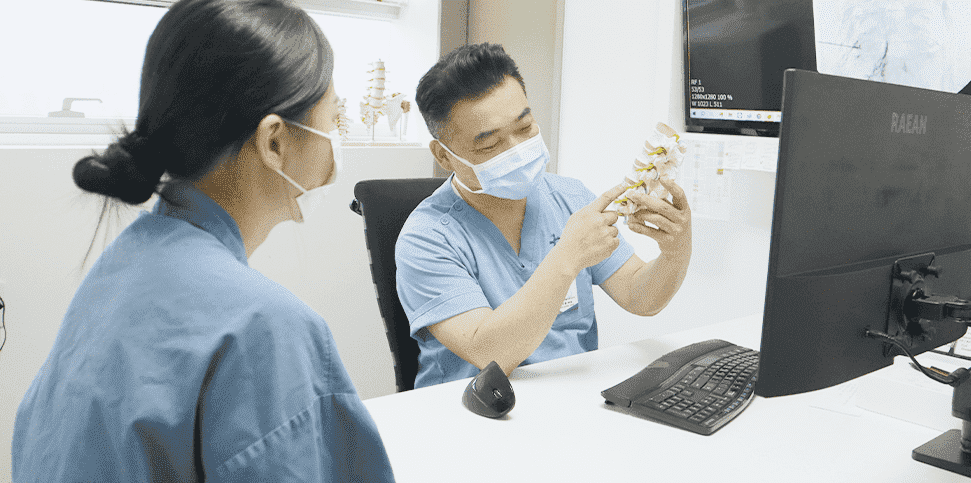
X-rays are taken first. If rheumatoid or infectious hip arthritis is suspected, blood tests are also performed.
TREATMENT
The most important thing when pain occurs is to get enough rest.
In the early stage, recovery is possible with rest, exercise therapy and medication, but in severe cases, surgery with hip replacement is performed.
Medications such as anti-inflammatory painkillers are taken to relieve pain, and ligament-strengthening exercises are done to reduce the load on the hip. Cold and warm compresses may also be used.
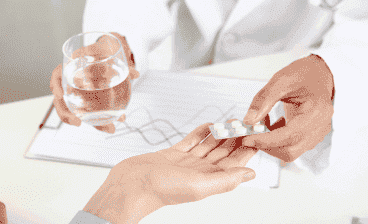 [Medication]
Treatment with medications such as anti-inflammatory painkillers that relieve pain and reduce inflammation.
 [Physical Therapy]
Uses heat, air, light, electricity, ultrasound and other methods to promote tissue healing and improve movement, restoring function around the painful area and supporting rehabilitation.
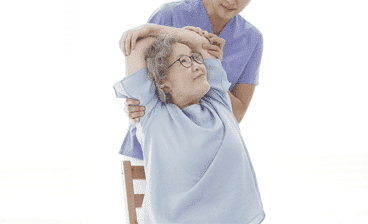 [Exercise Therapy]
Improving hip osteoarthritis requires continuous, regular stretching. Walking, swimming and light strength training also help.
If pain persists or worsens and interferes with daily life despite long-term non-surgical treatment and rest, surgery is performed, taking into account the patient's symptoms and age.
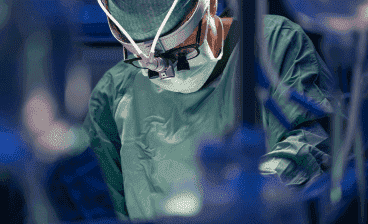 [Hip Replacement]
The diseased hip joint is removed and an artificial joint is implanted.


