







Dangol Hospital

Dangol Hospital
HOME 한국어
  • Conditions
  • Knee
  • ACL & PCL Tear
  • Conditions

    Learn about the symptoms, causes, self-check and treatment of ACL and PCL tears.

    Dangol Hospital logo

    M E A N I N G

    What Is an ACL or PCL Tear?

    The cruciate ligaments cross in an X shape in the middle of the knee,
    connecting the thighbone (femur) and the shinbone (tibia) and helping the knee
    move stably without shifting forward or backward.

    Tears are caused by a sudden external impact and occur mainly as sports injuries
    in athletes and young adults in their 20s to 40s.

    Left untreated, a tear can lead to arthritis or further cartilage damage,
    so prompt treatment is needed.

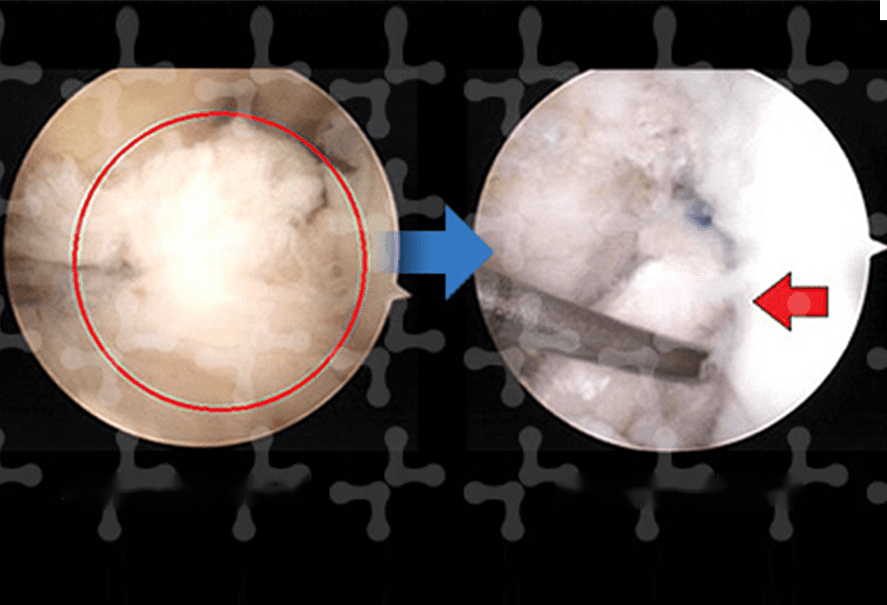
    Arthroscopic views of a cruciate ligament tear before and after treatment
    Before Treatment
    After Treatment

    SYMPTOMSymptoms of an ACL or PCL Tear

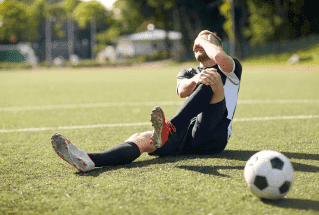
    Soccer player injured on the field 01

    A ‘pop’ felt in the knee at the moment of injury

    Person holding a painful knee 02

    Popping or clicking sounds inside the knee joint

    Person holding an unstable knee 03

    Instability, as if the knee is shifting forward and backward

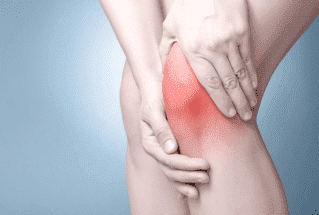
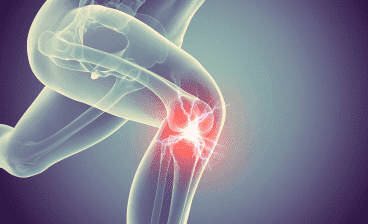
    Swollen, painful knee 04

    Swelling and severe pain that make walking difficult

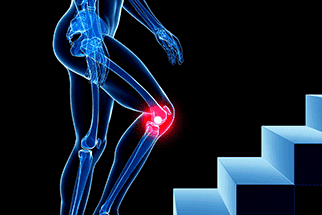
    Knee pain when climbing stairs 05

    Severe pain when using stairs or running

    CAUSECauses of an ACL or PCL Tear

    Tears from overuse of the joint, such as in sports

    Sudden physical impact from injuries
    such as accidents or falls

    SELF-DIAGNOSISACL & PCL Tear Self-Check

    I heard a snap in my knee and felt as if a ligament had torn.

    After the injury, my knee is very swollen and painful.

    There is blood pooling, swelling and severe bruising.

    It is hard to put weight on the knee or to walk.

    ※ If even one of these applies to you, go to a hospital right away for a detailed examination and an accurate diagnosis.

    DIAGNOSIS

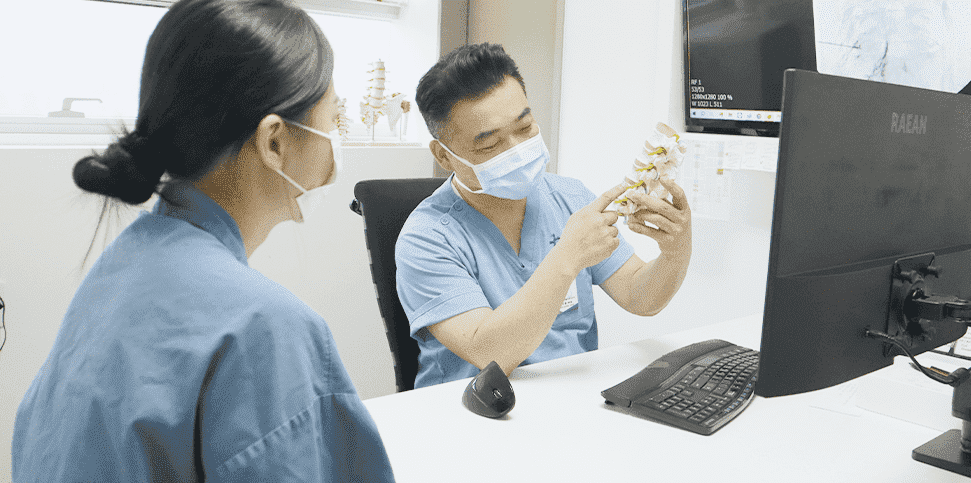
    Doctor explaining a diagnosis with a joint model

    DIAGNOSISDiagnosis at Dangol Hospital

    The knee has ligaments at the front, back, inner side and outer side. The anterior and posterior cruciate ligaments keep the joint stable between the thighbone and the shinbone. Most tears are caused by excessive exercise, twisting beyond the joint's range of motion, or landing incorrectly. Anterior cruciate ligament tears are the most common, and posterior cruciate ligament tears can be accurately diagnosed with MRI. If mild symptoms are left untreated, the injury can progress to secondary damage such as a meniscus tear. Because rehabilitation after surgery takes a long time, you should see a doctor as soon as you notice symptoms.

    TREATMENT

    Treating
    ACL & PCL Tears

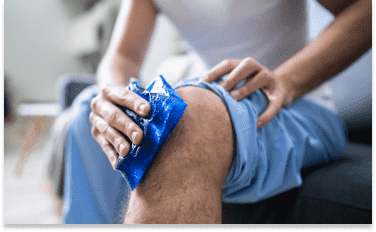
    If symptoms are mild or the injury is at an early stage, compresses are applied until the swelling goes down, anti-inflammatory painkillers are taken, the knee is stabilized with a brace, and muscle-strengthening exercises are done. If the tear is severe, arthroscopic surgery is performed.

    CORE OF TREATMENTKey to Treating ACL & PCL Tears

    Patients who recover fully with non-surgical treatment are generally very satisfied.
    However, after ligament reconstruction, several months of rehabilitation exercise are needed for a full recovery, which shows how serious this injury is.
    If you notice symptoms during exercise, it is important to see a doctor right away.

    Step 1

    For minor tears, a brace is worn to avoid bearing weight, and progress is monitored for 4–6 weeks.

    Step 2

    Cruciate ligaments cannot heal on their own, so severe tears are treated with surgery.

    Step by StepACL & PCL Tear Treatment at a Glance

    Step 1: Conservative Treatment

    For minor tears, a brace is worn to avoid bearing weight, and progress is monitored for 4–6 weeks.

    Patient receiving medication [Medication]

    Anti-inflammatory painkillers and muscle relaxants relieve pain and make it easier to continue physical therapy.

    Electrical stimulation physical therapy on the knee [Physical Therapy]

    Uses heat, air, light, electricity, ultrasound and other methods to restore function around the painful area and support rehabilitation.

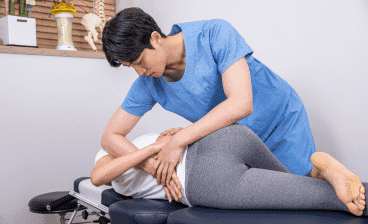
    Therapist performing manual therapy [Manual Therapy]

    A form of physical therapy performed by hand by a specially trained manual therapist, based on knowledge of human anatomy and physiology.

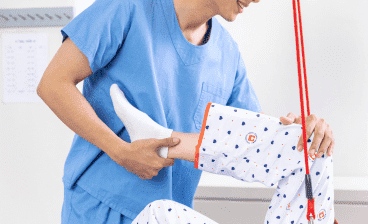
    Therapist helping with leg rehabilitation [Bracing & Rehabilitation]

    Prevents further damage and strengthens the muscles around the knee to support the function of the cruciate ligaments.

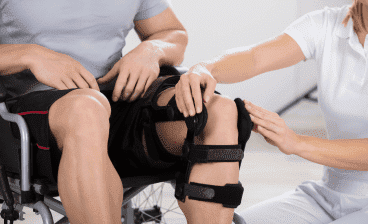
    Patient wearing a knee brace [Immobilization]

    If tissue damage is minor or symptoms are mild, the knee is immobilized with a cast or brace. It is best to keep the area as still as possible and get plenty of rest.

    Step 2: Surgical Treatment

    Cruciate ligaments cannot heal on their own, so severe tears are treated with surgery.

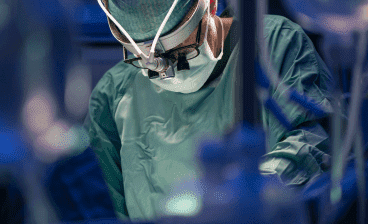
    Surgeon in the operating room [Cruciate Ligament Reconstruction]

    The damaged ligament is removed arthroscopically and replaced with a ligament graft.

    Book Online
    Naver Booking
    KakaoTalk
    Chat
    Doctors & Hours
    Location
    Dangol
    SNS
    TOP