



1. Pendant System
To increase surgical efficiency and focus, and to manage infection and prevent safety accidents, we introduced a ceiling pendant system that mounts medical equipment on the operating room ceiling.





Learn about spine revision surgery and who may need it.

2–3 hours

About 10 cm

General

Day after surgery

After 2 weeks

After stitch removal

When discomfort and pain continue after the first surgery, symptoms worsen, and the area compressing the nerve is judged not to have been removed, spine revision surgery should be performed after a detailed examination. It is commonly performed because, in most such patients, pain does not improve even with minimally invasive surgery. When symptoms do not improve after the first surgery and low back and leg pain and related symptoms (leg numbness, radiating leg pain, etc.) return, revision surgery is also the best option.
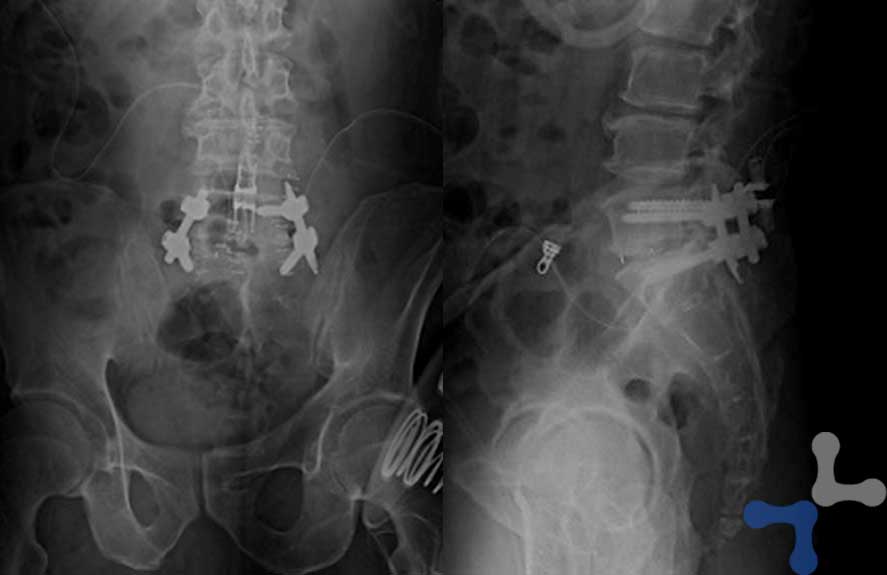

Patients whose symptoms do not improve after surgery
Patients who have had complications from infection or implant failure
Patients whose nerves remain compressed due to incomplete decompression or incomplete reduction
Patients whose symptoms do not improve because the fused segments were too short or insufficient, or because of an inadequate surgical method
Patients who develop a fracture, disc herniation or stenosis in the segments above or below the operated level (adjacent segments)

At Dangol Hospital, we first diagnose each person's unique spinal condition, and if a problem can be solved without surgery, we help improve the condition through non-surgical procedures.

To increase surgical efficiency and focus, and to manage infection and prevent safety accidents, we introduced a ceiling pendant system that mounts medical equipment on the operating room ceiling.
Used together with the ceiling pendant system that mounts medical equipment on the operating room ceiling for infection control and accident prevention, this equipment provides real-time images of the surgical site, with fast processing and high resolution of the specific areas needed for surgery.
Installed not only in the operating rooms but on every floor of Dangol Hospital, these high-cleanliness rooms control biological contamination. To prevent infection, they secure and maintain a sterile environment in areas such as the hospital's aseptic wards and operating rooms, and help guard against diseases spread by viruses.