




[ Diagnosis of Shoulder Dislocation ]
An acute dislocation caused by injury can be confirmed by X-ray. However, for chronic or recurrent instability or dislocation, MRI is needed to check for tears in the joint or ligament damage.





Learn about the causes, symptoms, diagnosis and treatment of shoulder dislocation and instability.

Simply put, it is a condition in which the shoulder slips out of place. Because the shoulder has the widest range of motion of any joint, it constantly contracts and stays under tension, which makes it hard to keep stable.
- Shoulder instability is the stage before a complete dislocation, called subluxation
- Shoulder instability is classified as anterior, posterior or inferior instability
- It occurs when the shoulder or arm is twisted, or the ligaments are stretched or torn, so the joint repeatedly slips out
- Shoulder dislocation means the humerus has come completely out of the socket (glenoid) of the shoulder joint
- Dislocations are classified as anterior, posterior or multidirectional, depending on the direction
- Once shoulder dislocation (instability) occurs, it often recurs
- Recurrence is especially common when it is caused by injury in young people
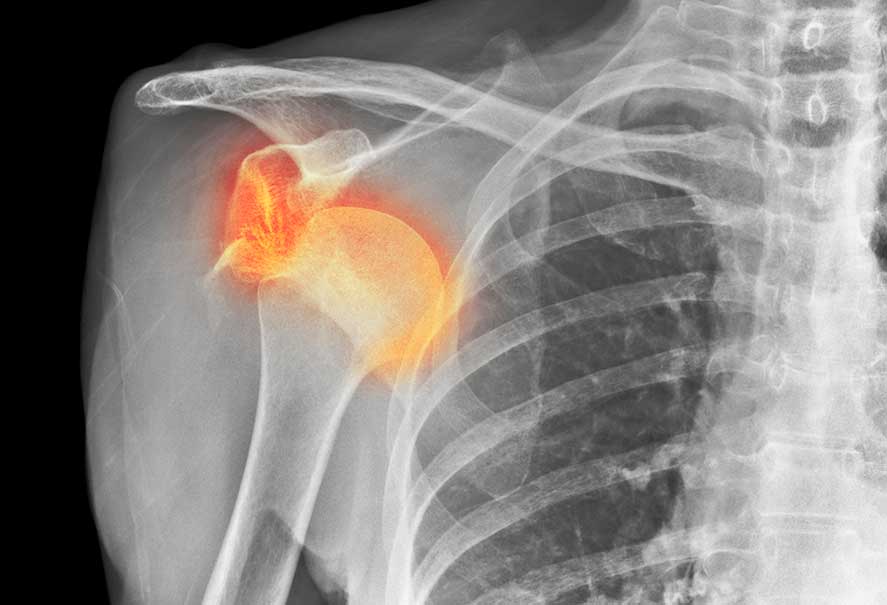
Shoulder dislocation is often caused by injury or occurs in athletes who use their shoulders heavily. In particular, people who experience dislocation or instability at a young age (before their 20s) have a high rate of recurrence.

Often caused by injury (athletes, sports activities)
When caused by injury, the ligaments or labrum are often damaged and do not heal on their own
People who experience shoulder instability before their 20s often have repeated dislocations
At the instability (subluxation) stage, lifting heavy objects or straining the shoulder makes the arm droop and causes pain. Making a throwing motion feels as if the arm is slipping out. The shoulder may also look hollow, or the shoulder bone may stick out.
The arm droops when lifting heavy objects or straining the arm
A throwing motion feels as if the arm is slipping out
Paralysis or swelling if nerves or blood vessels are damaged
Even in the instability stage, before the shoulder fully dislocates, pain can appear in certain positions
An acute dislocation caused by injury can be confirmed by X-ray. However, for chronic or recurrent instability or dislocation, MRI is needed to check for tears in the joint or ligament damage.
Early or mild instability can be treated with physical therapy and other conservative treatments. However, habitual, chronic or recurrent dislocation requires arthroscopic surgery, because the damage to the ligaments and joint must be repaired.
Early symptoms: non-surgical conservative treatment such as physical therapy
Exercise therapy: specialized stretching to loosen the shoulder, muscle strengthening, conservative treatment and one-on-one manual therapy
Chronic, habitual or recurrent dislocation can be treated relatively simply with arthroscopic surgery
After surgery: rehabilitation and muscle-strengthening exercises at Dangol Hospital


