[ Diagnosis of Stroke ]
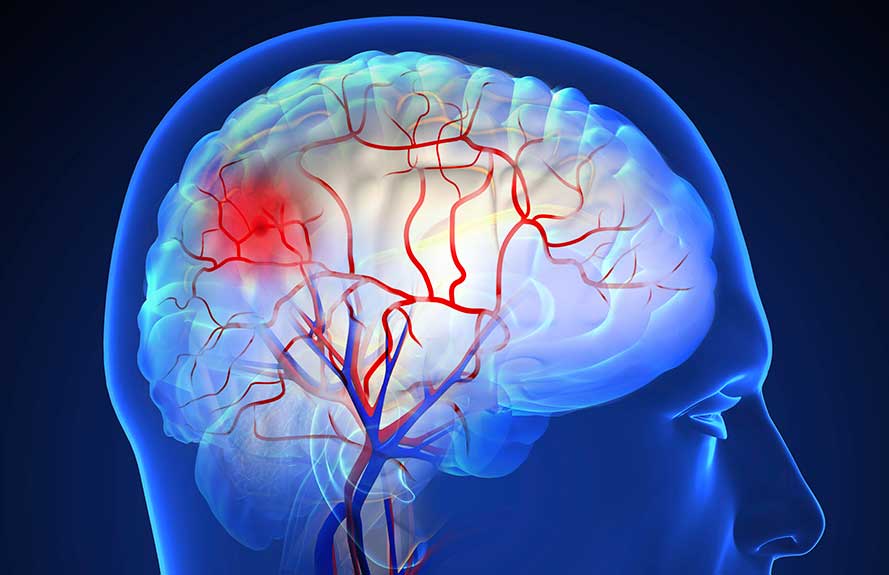
Diagnosis is made through neurological and medical examinations based on the patient's medical history. Stroke is diagnosed with tests such as CT and MRI, and Doppler, ultrasound, detailed cardiac tests and cerebral angiography are used to find the cause. In the acute phase of ischemic stroke, CT and MRI can appear normal even when symptoms are clear, so the role of the medical team is important.
[ Treatment of Stroke ]
The sooner treatment begins, the more brain tissue damage can be prevented. If a stroke is suspected, take the patient to an emergency room immediately for treatment.
< Ischemic Stroke >
Once ischemia progresses to infarction and brain tissue is damaged, the tissue itself cannot be restored by any treatment. Treatment therefore focuses first on controlling the risk factors that cause stroke and its recurrence. Drugs used in the acute phase of ischemic stroke to reduce the area of infarction include antiplatelet agents, anticoagulants and thrombolytics. If needed, treatment may also include procedures or surgery.
< Hemorrhagic Stroke >
For intracerebral hemorrhage caused by high blood pressure, controlling blood pressure and intracranial pressure is important. Surgery may be performed for patients who worsen despite appropriate medication or who have a large amount of bleeding.