


1. Pendant System
To increase surgical efficiency and focus, and to manage infection and prevent safety accidents, we introduced a ceiling pendant system that mounts medical equipment on the operating room ceiling.


Learn about spinal deformity (scoliosis and kyphosis), its diagnosis and conservative treatment.

5–6 hours

About 10 cm

General

3 days after surgery

After 2 weeks

After stitch removal

Beyond the abnormal alignment of the spine itself, a spinal deformity that progresses over a long time can cause neck, shoulder and back pain and, in severe cases, disc disease. When scoliosis has progressed beyond 40 degrees, it may continue to progress and lung function may decline. Some adolescents with scoliosis develop growth problems, and their ability to stay seated for long periods decreases, which also reduces their learning. Because the curve of a growing adolescent's spine gets worse as they grow taller, an accurate examination early on is needed to keep the scoliosis from progressing further.
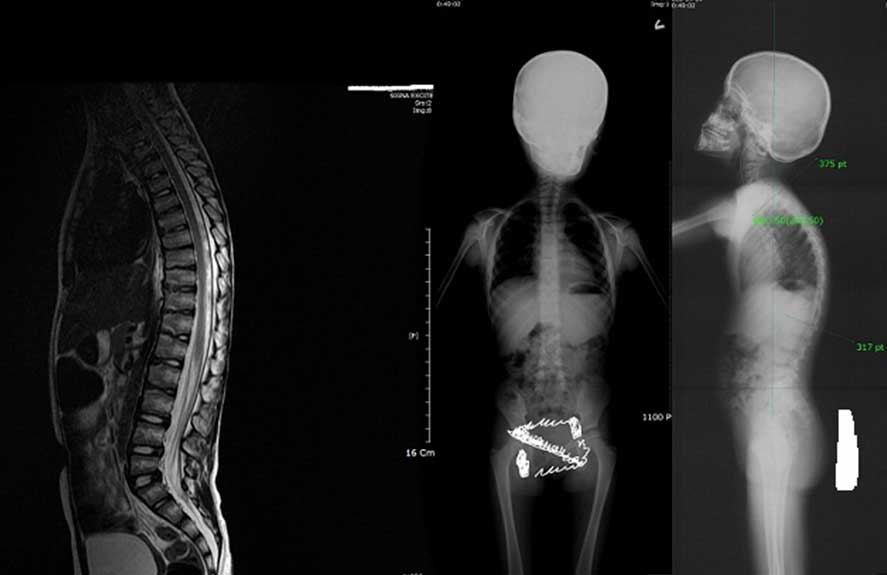

Our spinal deformity examination provides a scientific diagnosis using Dangol Hospital's basic medical checkup (X-ray), a growth assessment (bone age prediction), five physical tests (body composition, flexibility, balance, upper-body CSMI and lower-body CSMI), our patented dynamic spine examination (Formetric 4D) and a 3D spinal deformity measurement system. Conservative treatment includes manual release therapy performed with exercise and rehabilitation therapists after diagnosis and prescription by our doctors. This allows the current body shape and growth status to be assessed and treated objectively. If the spinal deformity increases despite conservative treatment, surgical treatment is performed.
At Dangol Hospital, we first diagnose each person's unique spinal condition, and if a problem can be solved without surgery, we help improve the condition through non-surgical procedures.
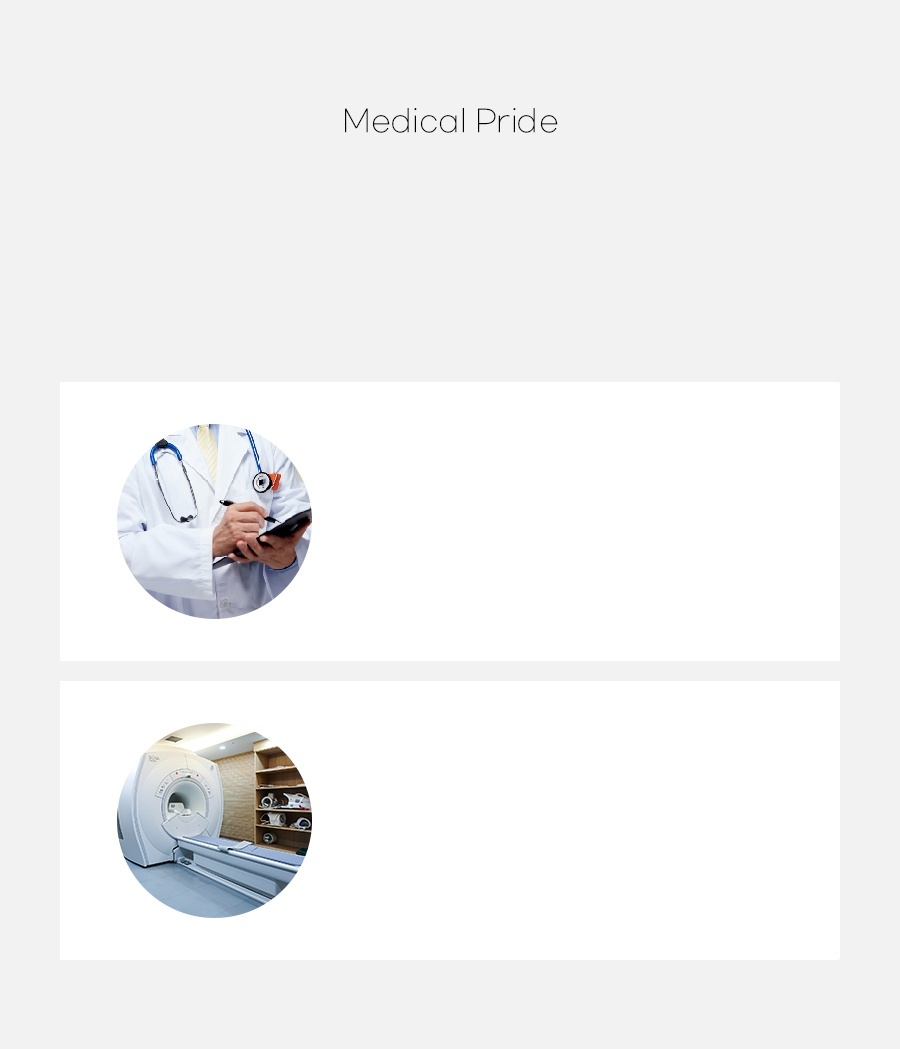
To increase surgical efficiency and focus, and to manage infection and prevent safety accidents, we introduced a ceiling pendant system that mounts medical equipment on the operating room ceiling.
Used together with the ceiling pendant system that mounts medical equipment on the operating room ceiling for infection control and accident prevention, this equipment provides real-time images of the surgical site, with fast processing and high resolution of the specific areas needed for surgery.
Installed not only in the operating rooms but on every floor of Dangol Hospital, these high-cleanliness rooms control biological contamination. To prevent infection, they secure and maintain a sterile environment in areas such as the hospital's aseptic wards and operating rooms, and help guard against diseases spread by viruses.