











Dangol Hospital

Dangol Hospital
HOME 한국어
  • Conditions
  • Shoulder
  • Frozen Shoulder
  • Conditions

    Learn about the symptoms, causes, self-check and treatment of frozen shoulder.

    Dangol Hospital logo

    M E A N I N G

    What Is Frozen Shoulder?

    Inside the shoulder joint is a lubricating fluid that reduces friction
    and helps the shoulder move smoothly.

    Frozen shoulder is a condition in which the synovial lining that holds this fluid
    becomes inflamed and shrinks, causing pain and limiting joint movement.
    In Korea it is often called "fifties shoulder" because it usually develops in people in their 50s,
    but the medical name is adhesive capsulitis.
    In the early stages it is hard to tell apart from a rotator cuff tear,
    so it is important to be diagnosed by a specialist and receive the right treatment.

    Illustration of a normal shoulder and frozen shoulder

    SYMPTOMSymptoms of Frozen Shoulder

    Woman with shoulder pain 01

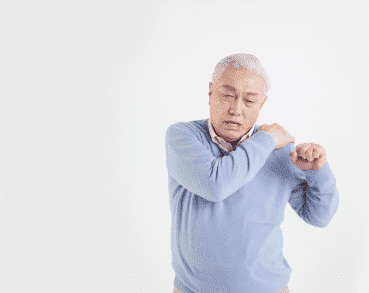
    Pain when rotating the arm outward or raising it

    Woman holding her painful shoulder 02

    Shoulder pain without any particular injury

    Woman putting on a jacket 03

    Difficulty with everyday movements that use the shoulder, such as dressing or brushing your hair

    Woman unable to sleep 04

    Pain so severe that it prevents a good night's sleep

    CAUSECauses of Frozen Shoulder

    Degeneration of the joint due to aging

    Inflammation or tears of the shoulder muscles or ligaments

    Joint stiffness caused by poor posture

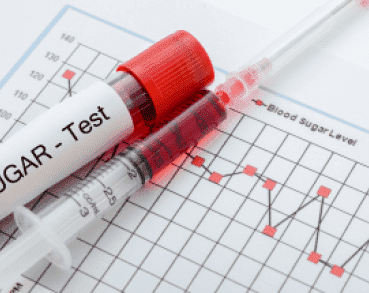
    Systemic diseases such as diabetes, thyroid disease and tuberculosis

    Sudden physical impact from accidents and similar events

    SELF-DIAGNOSISFrozen Shoulder Self-Check

    I have woken up at night because of sudden shoulder pain.

    My shoulder joint is stiff and painful, and it hurts even when I am not using it.

    When I raise my arm or reach backward, I feel a sharp twinge of pain.

    It is hard to wash the back of my neck or shoulders in the shower.

    I cannot zip up the back of my clothes by myself, and it is hard to get dressed or undressed.

    It is hard to reach up or grab objects that are far away.

    The pain comes and goes, and it seems to be getting gradually worse.

    The pain runs from the back of my shoulder down the front, and eventually even my hand hurts.

    ※ If three or more of these apply to you, we recommend consulting a specialist for an accurate diagnosis and appropriate treatment.

    DIAGNOSIS

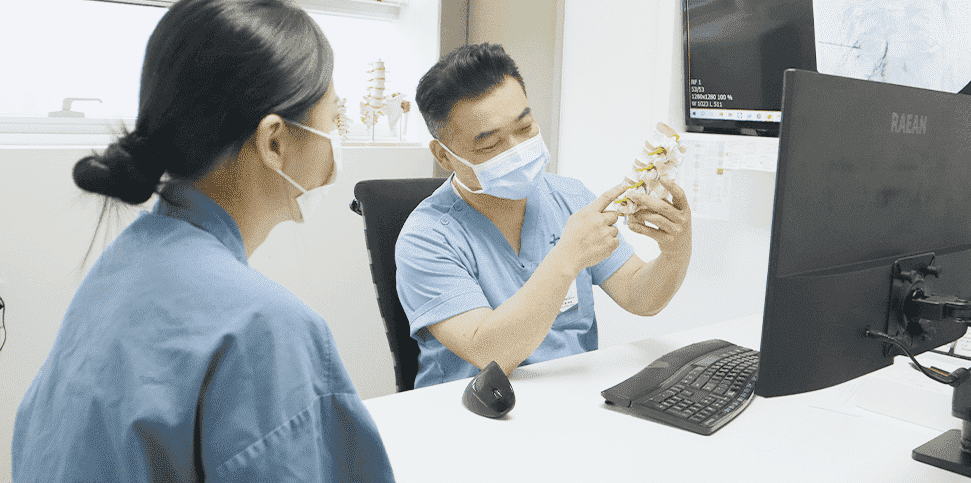
    Doctor explaining a diagnosis with a joint model

    DIAGNOSISDiagnosis at Dangol Hospital

    Diagnosis is based on clinical symptoms and simple movement tests.
    Plain X-rays are normal in most cases.
    X-rays are taken to check for loss of shoulder joint cartilage
    and for shoulder dislocation.
    Not every case of frozen shoulder requires surgery.
    TREATMENT

    Treating
    Frozen Shoulder

    In the early stages, anti-inflammatory painkillers, local injections and physical therapy are used to reduce pain and inflammation, and exercise therapy restores the range of motion of the stiffened shoulder joint.
    Surgery is performed when there is no improvement after long-term treatment.
    The treatment of frozen shoulder depends on its cause.

    CORE OF TREATMENTKey to Treating Frozen Shoulder

    With appropriate non-surgical or surgical treatment for its severity, frozen shoulder responds very well, with less pain and a recovered range of motion.

    Step 1

    In most cases, 2–3 weeks of non-surgical treatment such as medication and physical therapy brings improvement. If not, treatment moves on to injection therapy and manual therapy.

    Step 2

    Surgery is the last resort. Before considering surgery, we provide customized procedures based on each patient's condition and circumstances.

    Step 3

    Surgery may be considered for patients whose pain persists despite sufficient treatment or who need emergency care. The surgical approach and expected outcome are decided in consultation with a specialist.

    Step by StepFrozen Shoulder Treatment at a Glance

    Step 1: Conservative Treatment

    In most cases, 2–3 weeks of non-surgical treatment such as medication, physical therapy and pain injections brings improvement.
    If not, treatment moves on to injection therapy and manual therapy.

    Patient receiving medication [Medication]

    Anti-inflammatory painkillers and muscle relaxants relieve pain and make it easier to continue physical therapy.

    Physical therapy on the shoulder [Physical Therapy]

    Uses heat, air, light, electricity, ultrasound and other methods to restore function around the painful area and support rehabilitation.

    Therapist performing manual therapy on the shoulder [Manual Therapy]

    A form of physical therapy performed by hand by a specially trained manual therapist, based on knowledge of human anatomy and physiology.

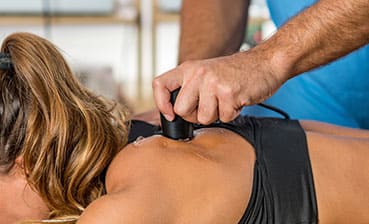
    Shockwave therapy on the shoulder [Shockwave Therapy (ESWT)]

    Extracorporeal shockwave therapy treats musculoskeletal pain from outside the body using a device that generates shockwaves.

    Step 2: Non-Surgical Procedures

    Surgery is the last resort. Before considering surgery,
    we provide customized procedures based on each patient's condition and circumstances.

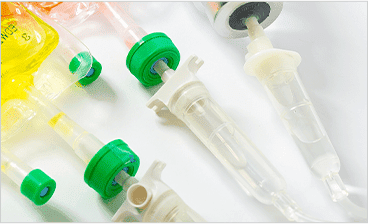
    Prolotherapy injection solutions [Prolotherapy]

    A high-concentration dextrose solution, harmless to the body, is injected directly into weakened ligaments or tendons.

    Learn More
    Preparing an injection [Bio-Collagen Injection]

    A procedure that supplies collagen, an essential protein in the body, to the damaged area to regenerate and restore the injured tissue.

    Learn More
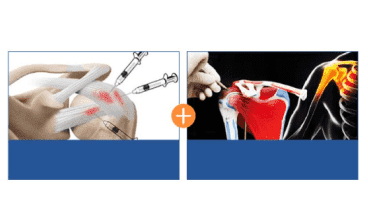
    FIMS therapy combines prolotherapy and functional intramuscular stimulation
    What Is FIMS Therapy?
    Prolotherapy
    (Proliferation Therapy)
    FIMS (Functional Intramuscular
    Stimulation)
    A non-surgical treatment combining both!
    [FIMS Therapy]

    A non-surgical treatment that combines prolotherapy (proliferation therapy) with FIMS (Functional Intramuscular Stimulation).

    Learn More

    Step 3: Surgical Treatment

    Surgery may be considered for patients whose pain persists despite sufficient treatment or who need emergency care.
    The surgical approach and expected outcome are decided in consultation with a specialist.

    Illustration of shoulder arthroscopy [Shoulder Arthroscopy]

    Through minimal incisions of less than 1 cm, an arthroscopic camera and surgical instruments are inserted into the joint to diagnose and treat the condition.

    Learn More
    Book Online
    Naver Booking
    KakaoTalk
    Chat
    Doctors & Hours
    Location
    Dangol
    SNS
    TOP