



The diagnosis is made from plain X-rays and magnetic resonance imaging (MRI). Before MRI became available, bone scans were widely used, but today they are mainly used to check whether bone necrosis is also present in other areas.


Learn about the symptoms, causes, diagnosis and treatment of avascular necrosis of the femoral head.

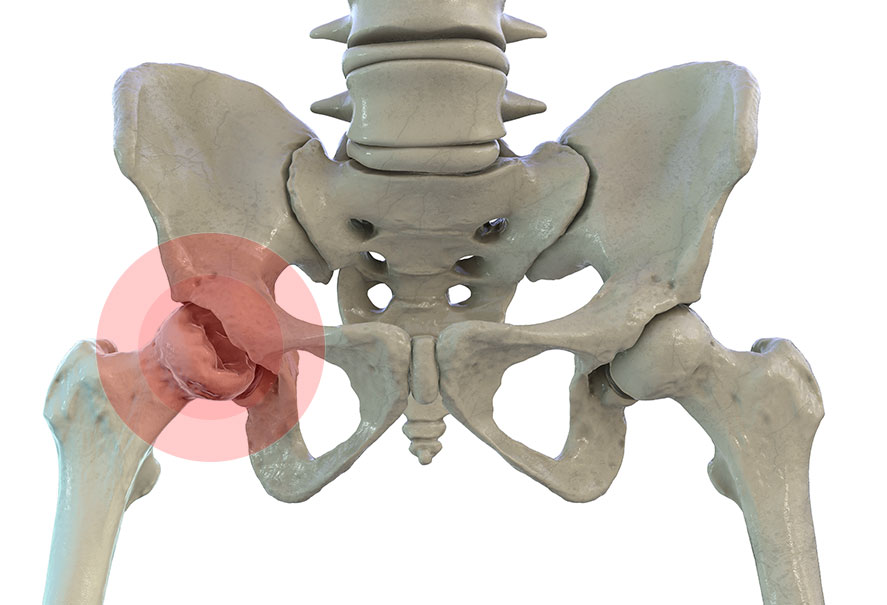
The hip is the joint that connects the pelvis and the thighbone, and the rounded top of the thighbone that meets the pelvis is called the femoral head. Avascular necrosis of the femoral head is a condition in which blood flow to the femoral head is cut off for various reasons, causing the bone tissue to die. The bone does not rot; rather, the tissue dies and becomes prone to fracturing or collapsing, so even a minor impact can damage the hip. However, there may be no symptoms even as necrosis progresses, and when symptoms do appear, they may be limited to a dull ache in the buttocks and groin. Because of this, the right time for treatment is often missed, so if pain lasts more than a week, you should see a specialist.
 01
Pain when the foot touches the ground while walking
 02
The two legs become different in length
 03
Pain when sitting cross-legged or getting out of a car
 04
Pain in the buttocks and thighs

Idiopathic avascular necrosis with no identifiable cause (10–20%)
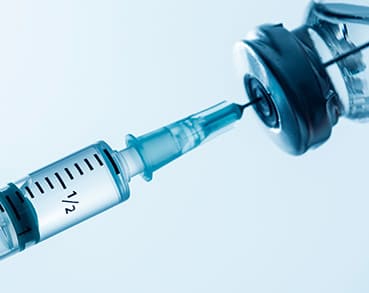
Use of corticosteroids (steroids)

After-effects of a femoral neck fracture or hip dislocation
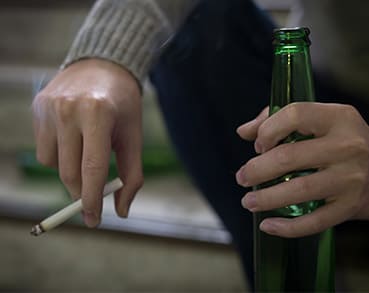
Heavy drinking or smoking
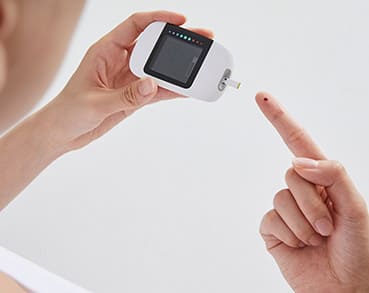
Conditions such as high blood lipids (hyperlipidemia) and diabetes
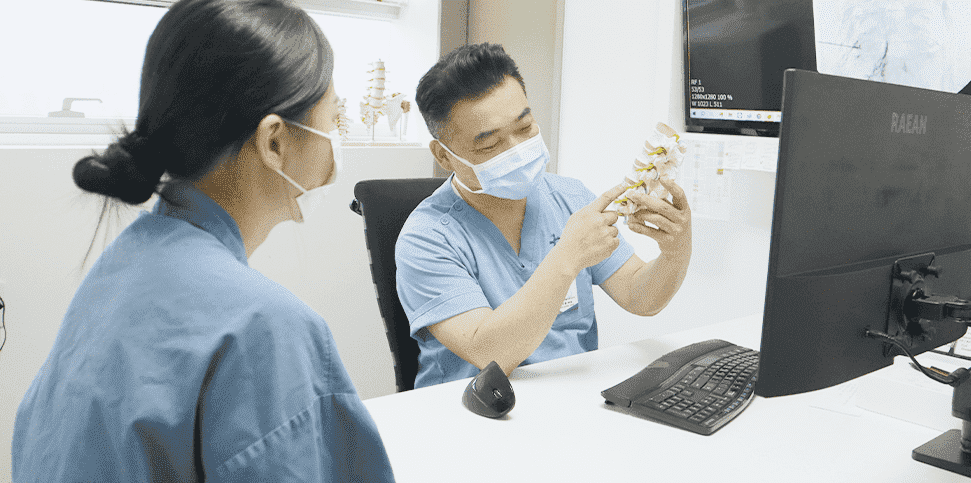
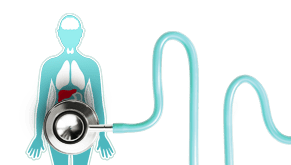
The diagnosis is made from plain X-rays and magnetic resonance imaging (MRI). Before MRI became available, bone scans were widely used, but today they are mainly used to check whether bone necrosis is also present in other areas.
TREATMENT
When symptoms are mild, non-surgical treatment such as adequate rest, compresses and medication is tried first. However, if the area of necrosis is large or the pain is severe enough to interfere with daily life, surgery is performed.
When symptoms are mild, non-surgical treatment such as adequate rest, compresses and medication is tried first.
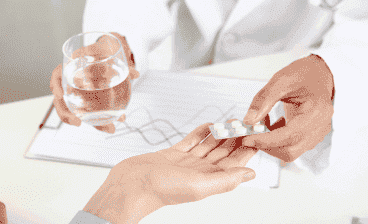 [Medication]
Treatment with medications such as anti-inflammatory painkillers that relieve pain and reduce inflammation.
 [Physical Therapy]
Uses heat, air, light, electricity, ultrasound and other methods to promote tissue healing and improve movement, restoring function around the painful area and supporting rehabilitation.
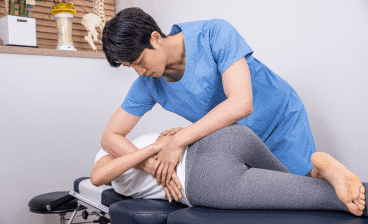 [Manual Therapy]
A form of physical therapy performed by hand by a specially trained manual therapist, based on knowledge of human anatomy and physiology.
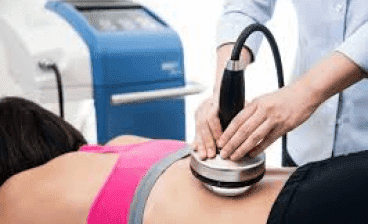 [Shockwave Therapy (ESWT)]
Extracorporeal shockwave therapy treats musculoskeletal pain from outside the body using a device that generates shockwaves. The strong waves help form new blood vessels and activate the surrounding tissue and bone, making it effective for pain.
If pain persists or worsens and interferes with daily life despite long-term non-surgical treatment and rest, surgery is performed, taking into account the patient's symptoms and age.
 [Core Decompression]
Holes are drilled into the femoral head to reduce pressure in the bone and encourage new blood vessels to form and supply nutrients. It is performed in the early stage of necrosis, and whether it is suitable depends on age and the location and size of the necrosis.
[Hip Replacement]
Surgery that removes the damaged femoral head and implants an artificial joint to restore the original joint function. It relieves pain and restores function, so patient satisfaction is high.


