






Dangol Hospital

Dangol Hospital
HOME 한국어
  • Conditions
  • Neck
  • OPLL
  • Conditions

    Learn about the causes, symptoms, diagnosis and treatment of ossification of the posterior longitudinal ligament (OPLL).

    Dangol Hospital logo

    M E A N I N G

    What Is Cervical OPLL?

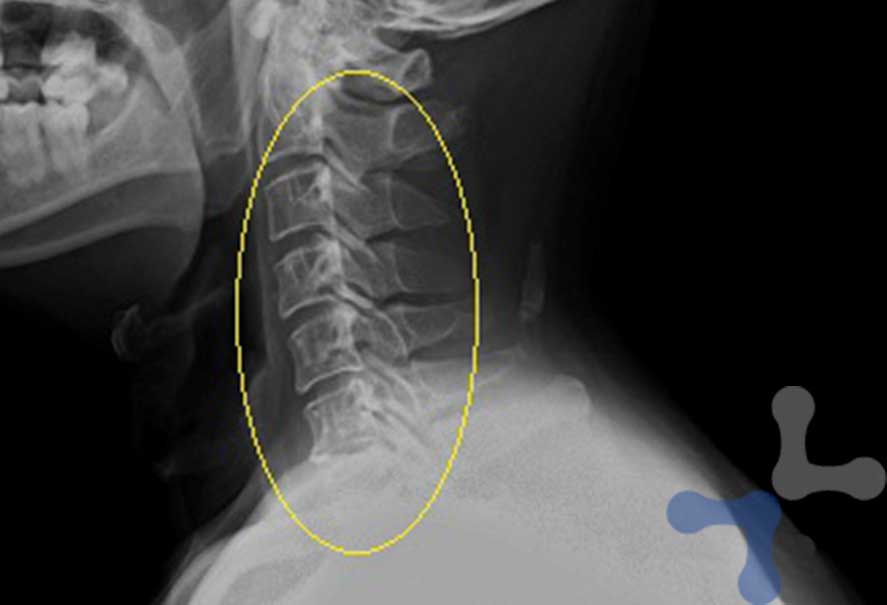
    Inside the neck there are two ligaments along the spine: the anterior longitudinal ligament at the front and the posterior longitudinal ligament at the back. Ossification of the posterior longitudinal ligament (OPLL) is a condition in which the posterior ligament hardens like bone or thickens, pressing on the nerves in the spinal canal and causing pain.

    - In a cervical disc herniation, the disc presses on the nerves in the spinal canal

    - In OPLL, the posterior longitudinal ligament between the disc and the spinal canal changes and presses on the nerves

    Side X-ray of the cervical spine

    Causes of
    Cervical OPLL

    Because it is more common in East Asian people, genetic and ethnic factors are thought to play a role, but the exact cause of cervical OPLL has not yet been identified.

    Symptoms of
    Cervical OPLL

    The symptoms are almost the same as those of a cervical disc herniation. The difference is that a disc herniation causes compression at one specific level, while OPLL can cause compression at several ossified (hardened and thickened) levels. Early symptoms are numbness in the arms or hands, and over time leg weakness or abnormal sensations may develop.

    The most common symptoms are numbness, pain, reduced sensation and weakness in the arms or hands

    As it progresses, leg weakness, abnormal sensations, difficulty walking, and bladder or bowel problems appear

    If it worsens or is severe, the arms and legs may become paralyzed

    Cervical OPLL
    [ Diagnosis and Treatment ]

    Diagnosis of
    Cervical OPLL

    It can sometimes be diagnosed with an X-ray. However, CT and MRI are needed to accurately assess how hardened and thickened the ligament is. OPLL can be misdiagnosed as a cervical disc herniation or a stroke, so a careful diagnosis is needed.

    - CT shows the shape and size of the ossified ligament and the degree of spinal canal narrowing and spinal cord compression

    - MRI shows whether there is nerve degeneration in the spinal cord and how much it is compressed

    - To check for nerve damage, electromyography (EMG), evoked potential tests and bladder function tests may be performed

    Treatment of
    Cervical OPLL

    In the early stage, non-surgical conservative treatment such as medication, injections and physical therapy can be used, and a brace may also be worn. However, if conservative treatment does not help or there are symptoms such as paralysis, procedures such as cervical neuroplasty or surgery are needed.

    Book Online
    Naver Booking
    KakaoTalk
    Chat
    Doctors & Hours
    Location
    Dangol
    SNS
    TOP