




Chondromalacia is diagnosed based on the patient's symptoms, a physical examination, X-rays and MRI.




Learn about the symptoms, causes, self-check and treatment of chondromalacia patellae.

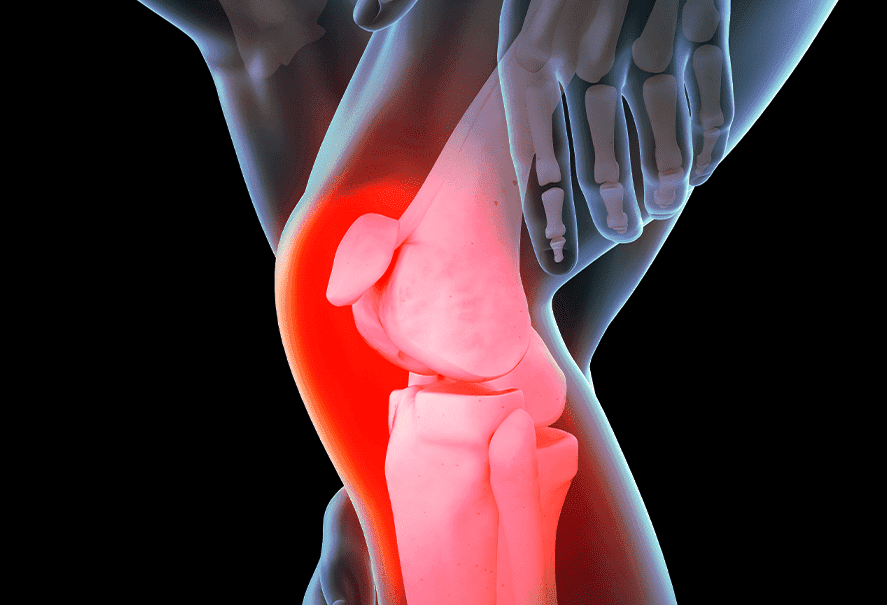
The kneecap (patella), the round bone at the front of the knee,
reduces friction as the knee bends and straightens.
It is most common in adolescents and young women,
and the aching, stiff feeling grows stronger over time.
If it is left untreated for a long time, pain occurs even in daily activities
such as standing for long periods or using stairs, so early diagnosis and treatment are needed.
 01
A grinding sound in the knee when standing up from a seated position.
 02
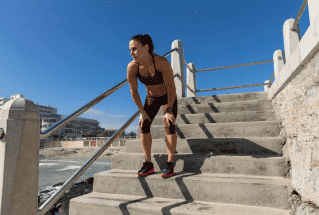
Pain that worsens when standing for a long time or using stairs.
 03
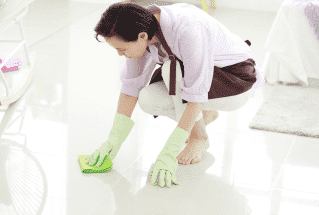
Aching at the front of the knee, with swelling or a feeling of weakness.
 04
Inability to sit for long periods with the knees bent.
 05
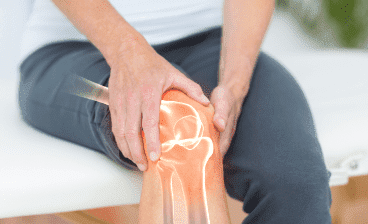
Pain that worsens during activities that put a lot of weight on the knee.
Structural or functional problems
between the kneecap and the thighbone

A dislocated or fractured kneecap
that misaligns the joint surfaces
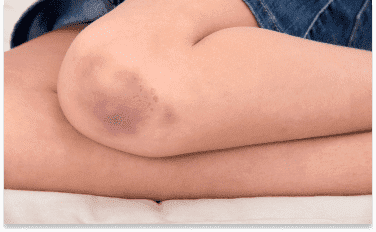
Cartilage damage from a strong external impact
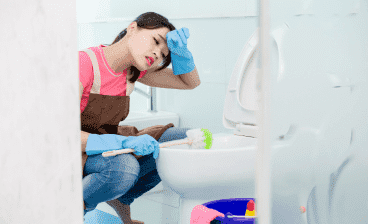
Jobs that involve working
while kneeling or squatting
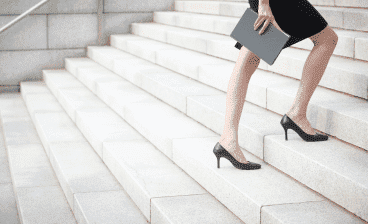
Constantly going up and down
stairs or slopes
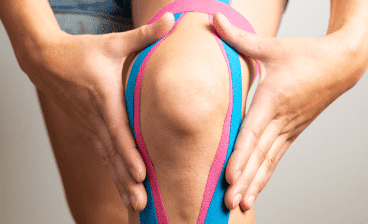
Weak or imbalanced muscles around the knee

A dull, heavy pain at the front of the knee
Persistent aching on the inner side of the knee
Stiffness and pain in the knee when standing up after sitting for a long time
Stiffness and marked discomfort when bending the knee, with ongoing swelling
A clicking sound in the knee
Severe pain when pressing on the knee
Pain on the inner side of the knee when running
Knee pain when going down stairs
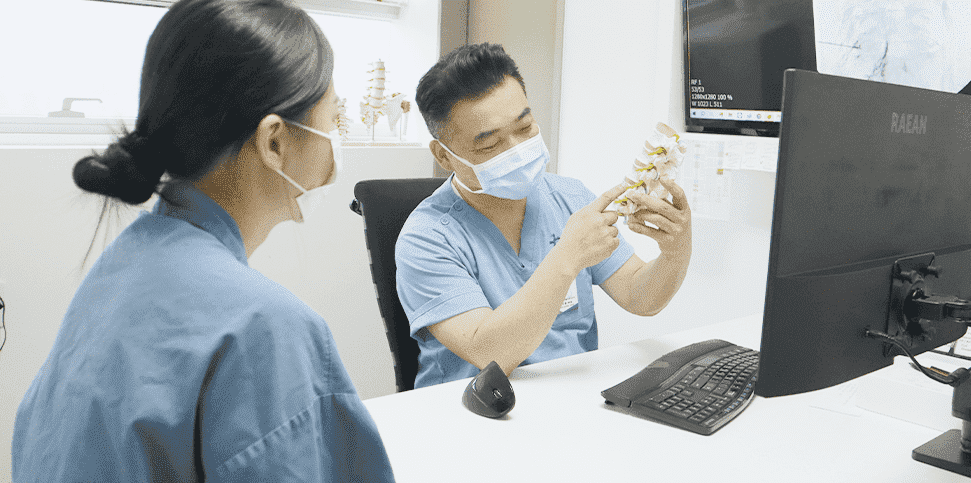
Chondromalacia is diagnosed based on the patient's symptoms, a physical examination, X-rays and MRI.
TREATMENT
Mild chondromalacia can be managed by resting for about 2–3 months and exercising regularly to strengthen the muscles around the joint, protecting the weakened joint from further damage.
If conservative treatment does not help and there is an abnormality in the shape or alignment of the patellofemoral joint, surgery is needed.
Squatting or sitting for long periods makes symptoms worse, so avoid these positions.
Strengthen both the front and back of the thigh muscles with stretching, yoga and strength exercises.
 Step 1
In most cases of chondromalacia, symptoms improve with conservative treatment alone, such as medication, injections and physical therapy.
 Step 2
If conservative treatment does not help and there is an abnormality in the shape or alignment of the patellofemoral joint, surgery is needed.
In most cases of chondromalacia, symptoms improve with conservative treatment alone, such as medication, injections and physical therapy.
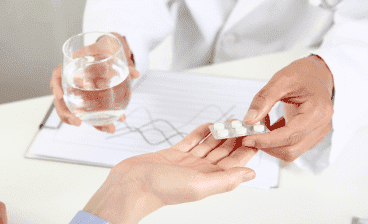 [Medication]
Anti-inflammatory painkillers and muscle relaxants relieve pain and make it easier to continue physical therapy.
 [Physical Therapy]
Uses heat, air, light, electricity, ultrasound and other methods to restore function around the painful area and support rehabilitation.
 [Manual Therapy]
A form of physical therapy performed by hand by a specially trained manual therapist, based on knowledge of human anatomy and physiology.
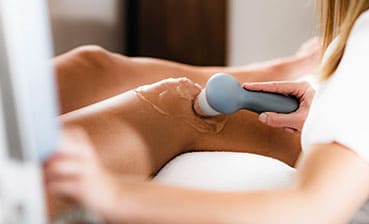 [Shockwave Therapy (ESWT)]
Extracorporeal shockwave therapy treats musculoskeletal pain from outside the body using a device that generates shockwaves.
If symptoms do not improve with conservative treatment, non-surgical treatment such as prolotherapy is provided.
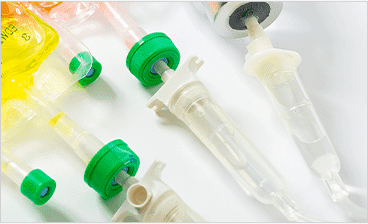 [Prolotherapy]
An injection treatment that uses a high-concentration dextrose solution, harmless to the body, to restore the function of damaged ligaments and tendons.
Learn MoreSurgery may be considered for patients whose pain persists despite adequate treatment or who arrive in an emergency condition;
the surgical approach and expected outcome are decided in consultation with a specialist.
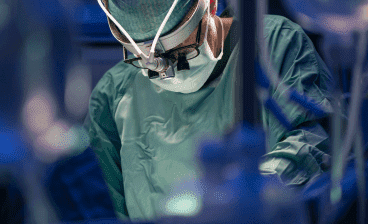 [Knee Arthroscopy]
Through a minimal skin incision, an arthroscope with a tiny camera is inserted, and the joint is diagnosed and treated while viewed on a monitor.
Learn More


