


A diagnosis can be made through a consultation about the patient's symptoms and pain.
Various clinical tests, arthrography, ultrasound and MRI
are used to confirm the diagnosis.

Learn about the symptoms, causes, self-check and treatment of rotator cuff tears.

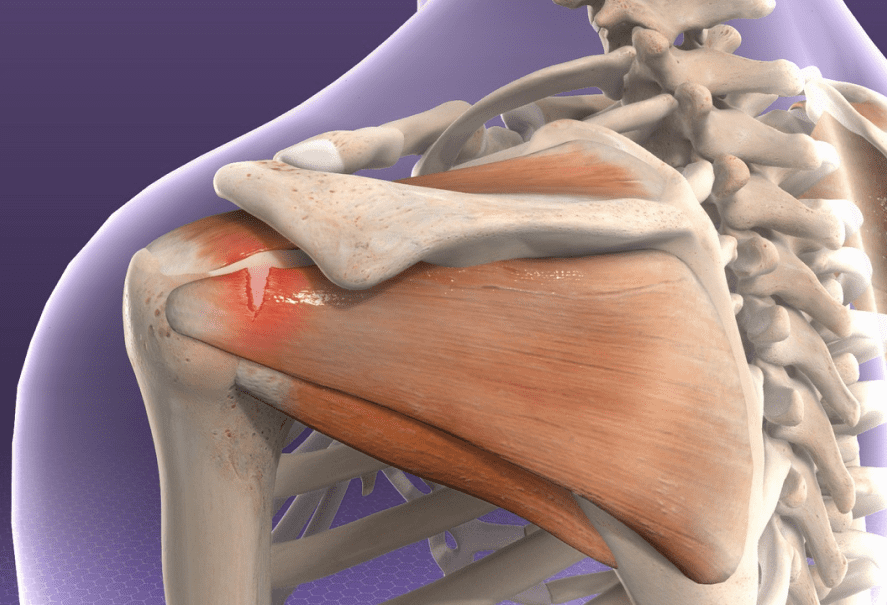
When part of the rotator cuff is torn or ruptured
by degenerative changes due to aging or by an external impact,
causing pain, the condition is called a rotator cuff tear.
It is the most common cause of shoulder pain in adults,
and if left untreated the tear gradually widens, so prompt treatment is needed.
 01
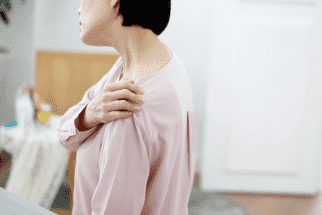
Severe pain in the neck and shoulder area
 02
Difficulty raising the arm or reaching behind the back
 03
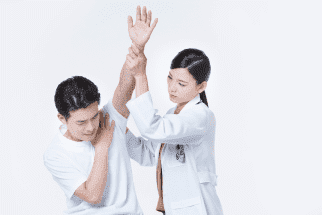
Pain when raising the arm that eases once the arm is fully raised
 04
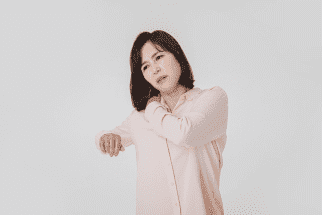
A grinding sound when rotating the shoulder
 05
Pain so severe that it prevents a good night's sleep
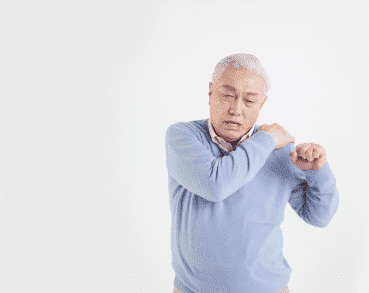
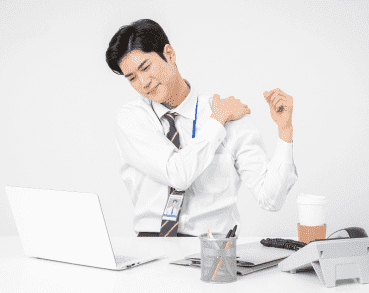
Degenerative changes in the tendons due to aging
Micro-injuries from repetitive use of the shoulder
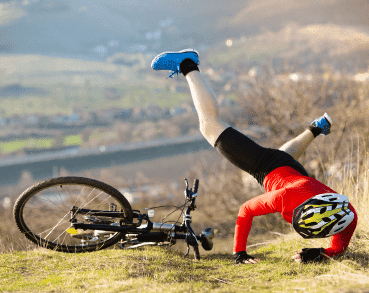
Sudden physical impact from accidents and similar events
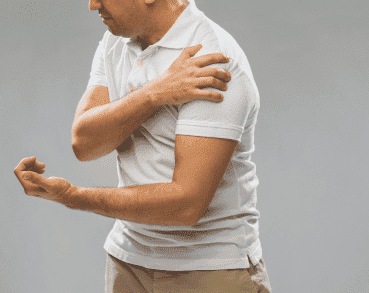
Muscle and tendon damage from a shoulder dislocation
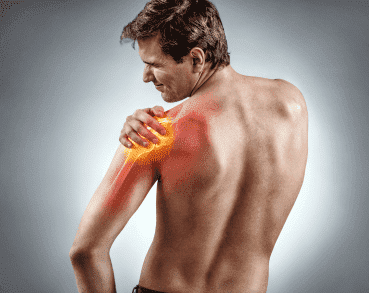
Poor blood circulation in the rotator cuff

The pain is worse at night when I am resting than during the day when I am active.
When my shoulder hurts, pressing the spot with a finger makes the pain worse.
It is difficult to raise my arm or stretch it straight forward.
My arm sometimes suddenly feels as if it has lost all its strength.
It is hard to raise my arm on my own, but there is no discomfort when someone else raises it for me.
When my shoulder keeps hurting and I rotate my arm, it feels stiff and catches.
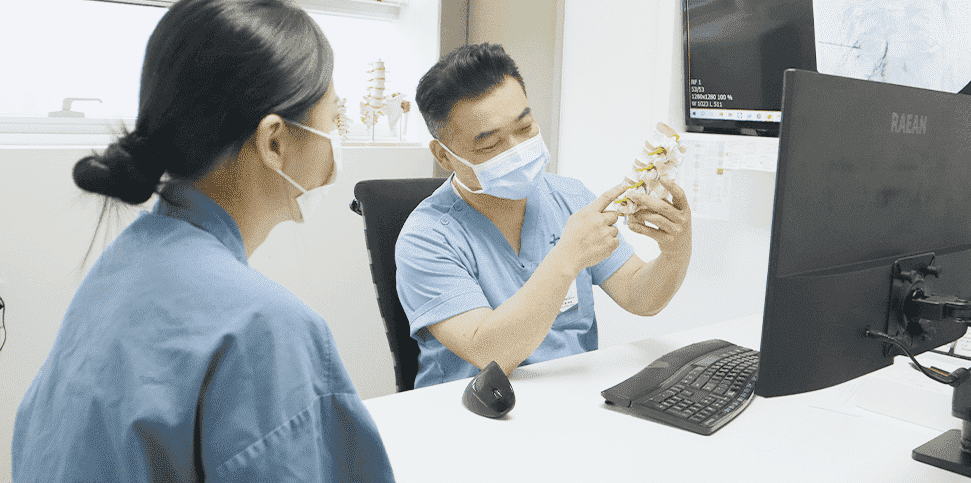
A diagnosis can be made through a consultation about the patient's symptoms and pain.
Various clinical tests, arthrography, ultrasound and MRI
are used to confirm the diagnosis.
TREATMENT
For partial rotator cuff tears, non-surgical treatment is generally the first-line approach. Medication such as anti-inflammatory painkillers and muscle relaxants is used to control pain and inflammation. When the pain is severe, steroid injections can relieve pain and inflammation in a short time. Combining these with manual therapy, physical therapy and rehabilitation exercise improves the results of treatment. Even if symptoms improve, the tear usually remains, so strenuous exercise, heavy labor and falls should be avoided. If symptoms do not improve after 3–6 months or more of non-surgical treatment, surgery is performed.
After non-surgical or surgical treatment, most people can go about daily life without difficulty, but it is best to avoid strenuous exercise or heavy labor.
 Step 1
In most cases, 2–3 weeks of non-surgical treatment such as medication and physical therapy brings improvement. If not, treatment moves on to injection therapy and manual therapy.
 Step 2
Surgery is the last resort. Before considering surgery, we provide customized procedures based on each patient's condition and circumstances.
 Step 3
Surgery may be considered for patients whose pain persists despite sufficient treatment or who need emergency care. The surgical approach and expected outcome are decided in consultation with a specialist.
In most cases, 2–3 weeks of non-surgical treatment such as medication, physical therapy and pain injections brings improvement.
If not, treatment moves on to injection therapy and manual therapy.
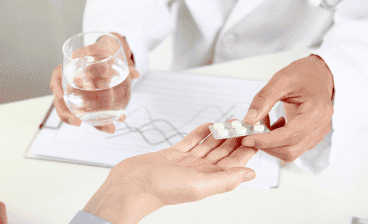 [Medication]
Anti-inflammatory painkillers and muscle relaxants relieve pain and make it easier to continue physical therapy.
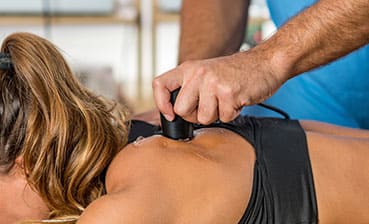 [Physical Therapy]
Uses heat, air, light, electricity, ultrasound and other methods to restore function around the painful area and support rehabilitation.
 [Manual Therapy]
A form of physical therapy performed by hand by a specially trained manual therapist, based on knowledge of human anatomy and physiology.
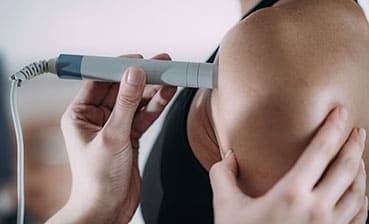 [Shockwave Therapy (ESWT)]
Extracorporeal shockwave therapy treats musculoskeletal pain from outside the body using a device that generates shockwaves.
Surgery is the last resort. Before considering surgery,
we provide customized procedures based on each patient's condition and circumstances.
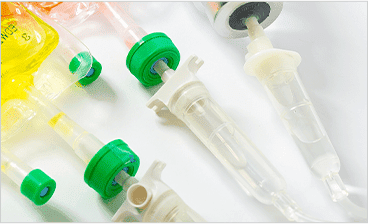 [Prolotherapy]
A high-concentration dextrose solution, harmless to the body, is injected directly into weakened ligaments or tendons.
Learn More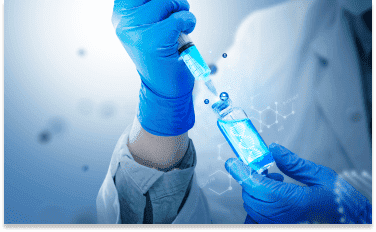 [Bio-Collagen Injection]
A procedure that supplies collagen, an essential protein in the body, to the damaged area to regenerate and restore the injured tissue.
Learn More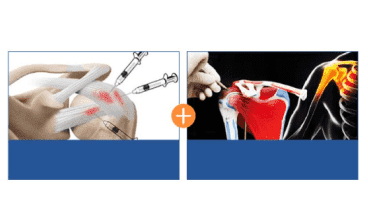
A non-surgical treatment that combines prolotherapy (proliferation therapy) with FIMS (Functional Intramuscular Stimulation).
Learn MoreSurgery may be considered for patients whose pain persists despite sufficient treatment or who need emergency care.
The surgical approach and expected outcome are decided in consultation with a specialist.
 [Shoulder Arthroscopy]
Through minimal incisions of less than 1 cm, an arthroscopic camera and surgical instruments are inserted into the joint to diagnose and treat the condition.
Learn More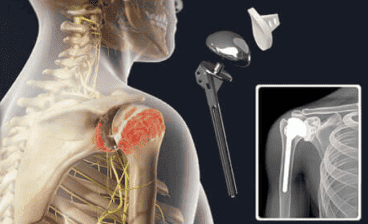 [Shoulder Replacement]
Surgery that replaces a shoulder joint severely damaged by injury or disease with a new joint.
Learn More


