

Dangol Hospital

Dangol Hospital
HOME 한국어
  • Conditions
  • Spine
  • Spinal Stenosis
  • Conditions

    Learn about the symptoms, causes, self-check and treatment of spinal stenosis.

    Dangol Hospital logo

    M E A N I N G

    What Is Spinal Stenosis?

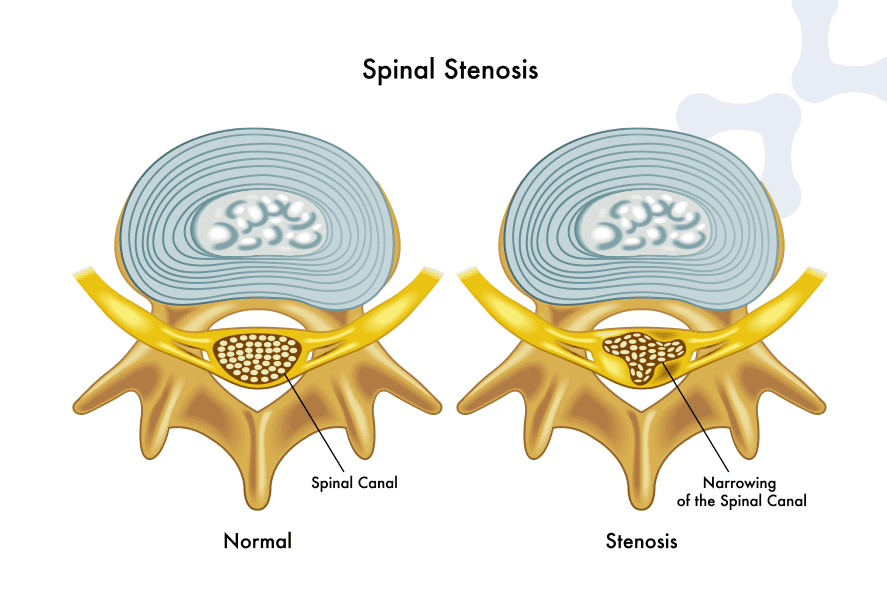
    A condition in which the spinal canal, which protects the bundle of nerves,
    narrows through age-related degeneration and presses on the nerves.

    The ligaments and joints at the back of the spinal canal gradually
    thicken and bone spurs grow, pressing on the canal and causing pain.
    The lower back, buttocks and thighs gradually feel tight and numb,
    and a bursting pain returns again and again when standing or walking.
    It progresses slowly over a long period but can lead to paralysis,
    so early treatment is important.

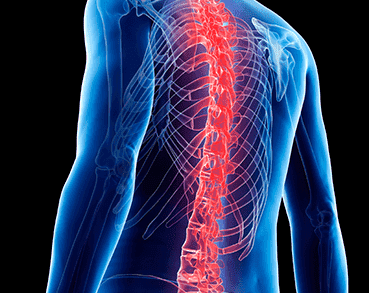
    Cross-section of a normal spinal canal and a narrowed spinal canal

    SYMPTOMSymptoms of Spinal Stenosis

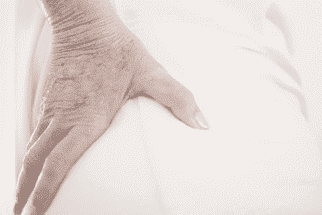
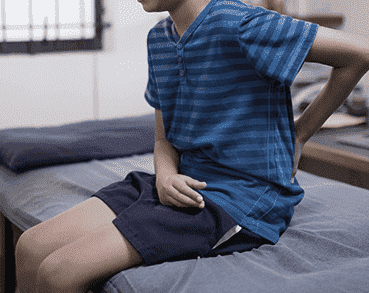
    Hand on the lower back 01

    Pulling pain and numbness in the lower back, buttocks and thighs

    Person holding the thighs 02

    Weakness throughout the legs, as if they were going numb

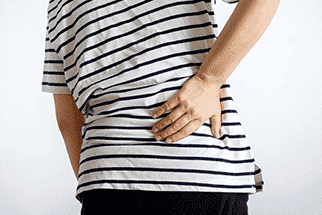
    Person holding the lower back 03

    Pain gets worse when walking or moving

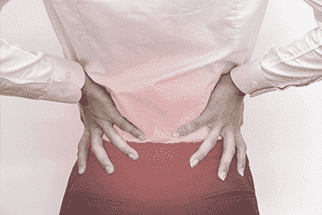
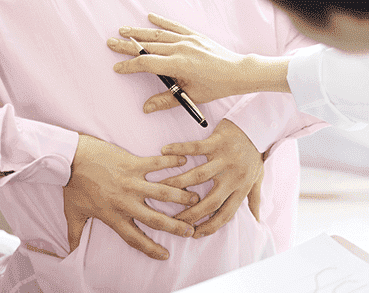
    Person holding the lower back with both hands 04

    Pain gets worse when bending backward

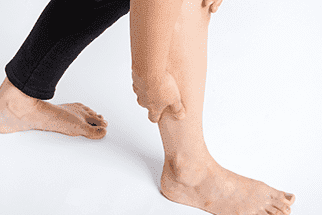
    Close-up of the lower leg and foot 05

    Numbness and reduced sensation in the legs and feet

    DIFFERENCEHerniated Disc or Stenosis?
    Compare the Symptoms

    Spinal Stenosis

    Pain is worse when bending backward.
    • No pain when lying still, but the legs
      go numb when walking.
    • Even a short walk makes the legs hurt,
      so you must rest before walking again.
    • Pain is felt more in the buttocks, legs and feet than in the back.
    Learn More →

    Key Symptoms

    VS

    Herniated Disc

    Pain is worse when bending forward.
    • Bending forward makes the pain worse,
      and straightening up eases it.
    • It is hard to lean forward.
    • There is pain in the lower back and legs.
    Learn More →

    CAUSECauses of Spinal Stenosis

    Congenital stenosis: a spinal canal that is narrow from birth

    Degeneration of the spinal canal due to weakening of the spinal muscles and ligaments

    Secondary to other conditions such as spondylolysis or a herniated disc

    Sudden physical impact, such as from an accident

    SELF-DIAGNOSISSpinal Stenosis Self-Check

    Bending forward feels comfortable, but straightening up hurts.

    When I walk for a long time my legs go numb or heavy, so I keep stopping to rest.

    My buttocks ache intensely and my legs feel dull or numb.

    Going down stairs strains my lower back and makes my legs feel tight.

    The soles of my feet feel cold or numb, so it is hard to walk.

    Back pain makes it take a long time to get up after lying or sitting.

    The pain gets worse in bad or cold weather and eases when I keep warm.

    Raising my leg while lying down does not increase the pain.

    ※ If three or more of these apply to you, we recommend consulting a specialist for an accurate diagnosis and appropriate treatment.

    DIAGNOSIS

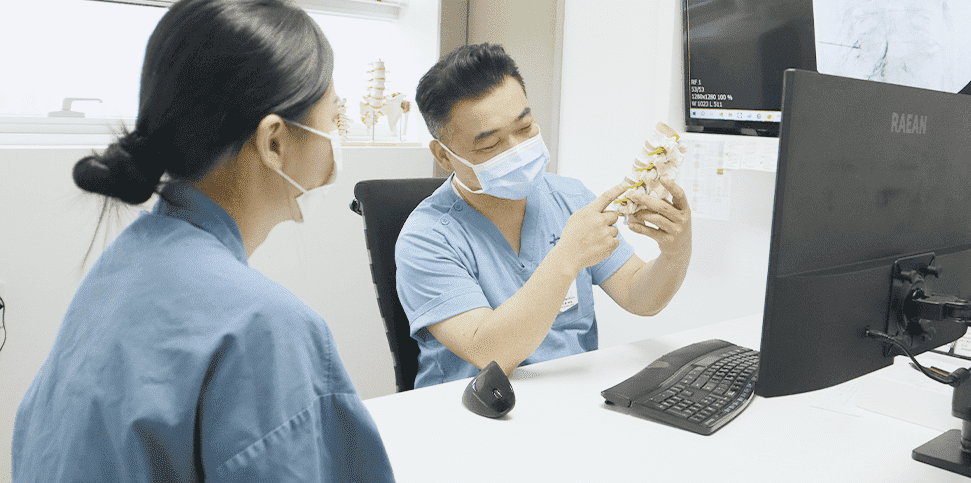
    Doctor explaining a diagnosis with a spine model

    DIAGNOSISDiagnosis at Dangol Hospital

    The condition is first suspected from the physical examination and plain X-rays. Because plain X-rays cannot clearly show the space around the discs,
    an MRI is performed to confirm the diagnosis in patients with clear nerve symptoms.
    To identify exactly which nerve level is causing the symptoms,
    electromyography (EMG) and nerve conduction studies may also be performed to check for neurological abnormalities.
    TREATMENT

    Treating
    Spinal Stenosis

    If the pain is not severe, the condition can improve with non-surgical treatment. However, if it interferes with daily life, for example if you cannot walk or straighten your back, surgery is needed.

    CORE OF TREATMENTKey to Treating Spinal Stenosis

    Most stenosis is caused by degeneration, and sudden worsening of symptoms or loss of function is rare,
    so conservative and non-surgical treatments are tried first, and surgery is considered depending on progress.

    Step 1

    In most cases, 2–3 weeks of non-surgical treatment such as medication and physical therapy brings improvement. If not, treatment moves on to injection therapy and manual therapy.

    Step 2

    Surgery is the last resort. Before considering surgery, we provide customized procedures based on each patient's condition and circumstances.

    Step 3

    Surgery may be considered for patients whose pain persists despite adequate treatment or who arrive in an emergency condition; the surgical approach and expected outcome are decided in consultation with a specialist.

    Step by StepSpinal Stenosis Treatment at a Glance

    Step 1: Conservative Treatment

    In most cases, 2–3 weeks of non-surgical treatment such as medication, physical therapy and pain injections brings improvement.
    If not, treatment moves on to injection therapy and manual therapy.

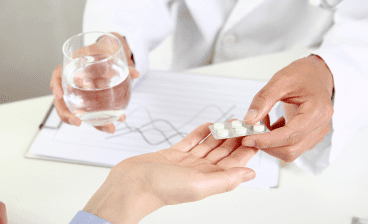
    Patient receiving medication [Medication]

    Anti-inflammatory painkillers and muscle relaxants relieve pain and make it easier to continue physical therapy.

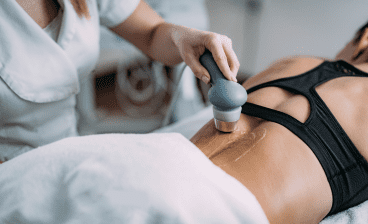
    Ultrasound therapy on the lower back [Physical Therapy]

    Uses heat, air, light, electricity, ultrasound and other methods to restore function around the painful area and support rehabilitation.

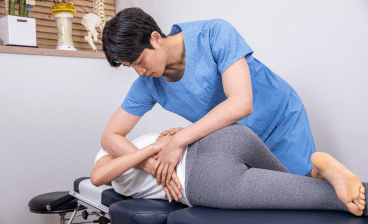
    Therapist performing manual therapy [Manual Therapy]

    A form of physical therapy performed by hand by a specially trained manual therapist, based on knowledge of human anatomy and physiology.

    Step 2: Non-Surgical Procedures

    Surgery is the last resort. Before considering surgery,
    we provide customized procedures based on each patient's condition and circumstances.

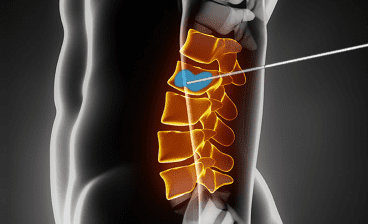
    Doctor preparing an injection [Nerve Block]

    Using a C-arm imaging device for guidance, medication is injected directly into the source of the pain to relieve inflammation caused by compression and treat the sensitized nerve.

    Learn More
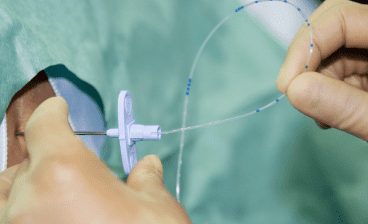
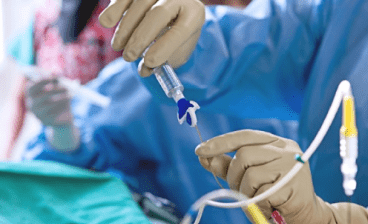
    Catheter used for neuroplasty [Neuroplasty]

    A special catheter about 1 mm thick is inserted to release nerve adhesions that cause pain. It removes unnecessary tissue grown around the spine or neck, or delivers medication to clear substances that cause inflammation.

    Learn More
    Balloon catheter procedure [Balloon Neuroplasty]

    A thin special catheter fitted with a balloon is inserted into the narrowed foramen; the balloon is repeatedly inflated and deflated to widen the opening and ease adhesions around the nerve root.

    Illustration of balloon kyphoplasty in the spine [Balloon Kyphoplasty]

    A procedure in which bone cement is injected into the fractured vertebra using a special needle or balloon. The cement hardens inside and stabilizes the fracture, so pain is relieved right after the procedure.

    Collagen injection being prepared [Bio-Collagen Injection]

    Collagen, an essential protein in the body, is supplied to damaged tissue to help it regenerate and recover. It encourages cell migration and improves cell survival, relieving pain.

    Learn More

    Step 3: Surgical Treatment

    Surgery may be considered for patients whose pain persists despite adequate treatment or who arrive in an emergency condition;
    the surgical approach and expected outcome are decided in consultation with a specialist.

    Surgeon in the operating room [Microscopic Laminectomy]

    Surgery that removes part of the lamina at the back of the vertebra and then removes herniated disc fragments to relieve pressure on the nerve.

    X-rays of the spine before and after fusion surgery [Spinal Fusion]

    Surgery that removes degenerated bone, ligament and protruding disc material and inserts an artificial bone graft that is safe for the body.

    Learn More
    Book Online
    Naver Booking
    KakaoTalk
    Chat
    Doctors & Hours
    Location
    Dangol
    SNS
    TOP