



Achilles tendinitis can be diagnosed with ultrasound and magnetic resonance imaging (MRI). MRI is widely used because it shows the area in detail from many angles and clearly reveals whether the Achilles tendon has degenerated.


Learn about the symptoms, causes, diagnosis and treatment of Achilles tendinitis.

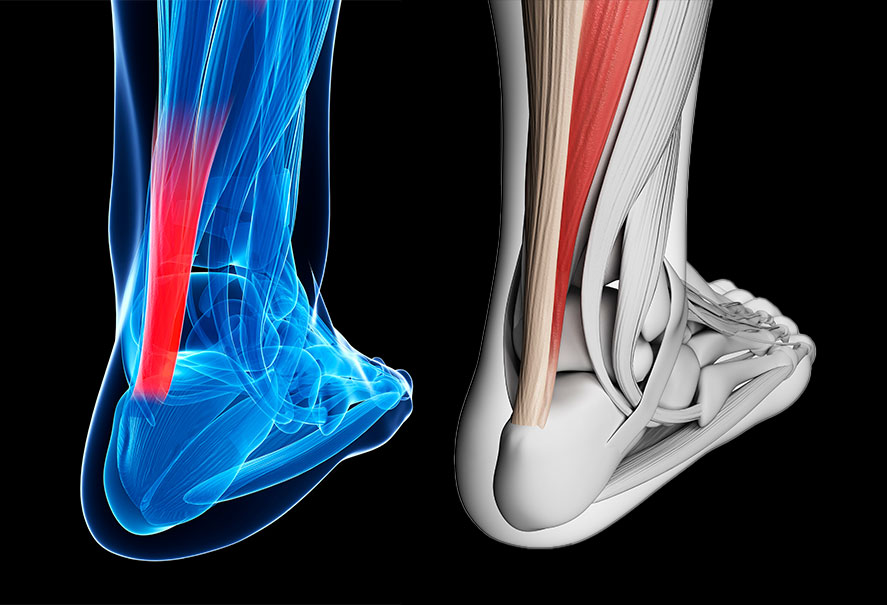
The Achilles tendon keeps you from falling over when you stand and helps propel you forward when you walk. Achilles tendinitis is a condition in which the area where the tendon attaches to the heel bone becomes inflamed and painful due to repeated impact from running or jumping, wearing high heels, and similar causes. If left untreated for a long time, the tendon can weaken or rupture, so treatment is essential.
 01
Heel pain during sports and leisure activities
 02
Achilles tendon pain limits walking or running
 03
Severe pain when taking the first steps after waking up in the morning
 04
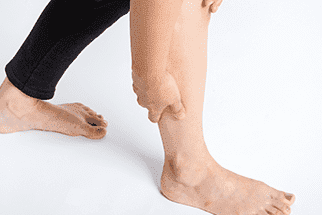
Frequent calf cramps

Repetitive movement of the ankle joint

Exercise that strains the Achilles tendon
e.g. hiking, marathons, badminton

Friction on the Achilles tendon from ill-fitting shoes
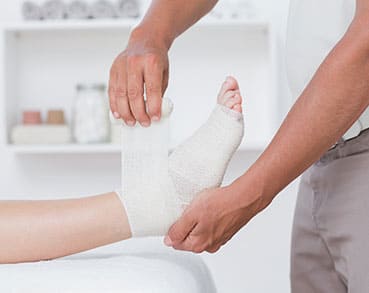
Ankle sprains and other injuries
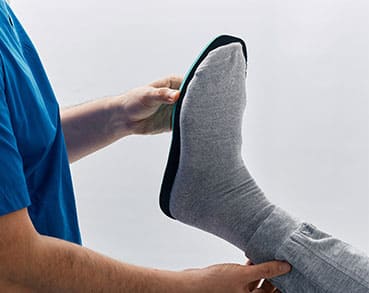
Congenital flat feet or heel deformity

Achilles tendinitis is somewhat difficult to judge by self-check alone, because symptoms such as pain, swelling and warmth can be similar to those of other conditions. If you have symptoms, it is important to seek professional help for an accurate diagnosis and proper treatment.

Achilles tendinitis can be diagnosed with ultrasound and magnetic resonance imaging (MRI). MRI is widely used because it shows the area in detail from many angles and clearly reveals whether the Achilles tendon has degenerated.
TREATMENT
Achilles tendinitis easily becomes chronic if it is not treated properly early on. In the early stage, reduce exercise and activity to rest the inflamed tendon, and take anti-inflammatory medication to help reduce pain and swelling. As a conservative measure, raising the heel of the shoe by about 2–3 cm reduces the load on the Achilles tendon and helps relieve pain temporarily. If pain persists after 2–3 weeks of conservative treatment, more active treatment is needed. Extracorporeal shockwave therapy is also used for Achilles tendinitis these days. In very rare cases, the inflammation is removed directly with surgery.
If symptoms are mild, they can improve with plenty of rest, comfortable shoes, ice packs and stretching.
 [Medication]
Treatment with medications such as anti-inflammatory pain relievers to ease pain and reduce inflammation.
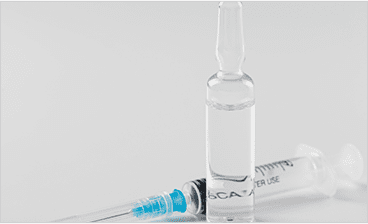 [Injection Therapy]
Steroids or trigger point injections (TPI) are injected into the painful area of the muscle to relax the contracted muscle. This treatment can be tried in the early stage.
 [Bio-Collagen Injection]
A procedure that supplies collagen, an essential protein in the body, to the damaged area to regenerate and restore the injured tissue. It encourages cell migration and improves cell survival to relieve pain.
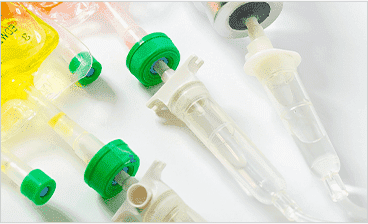 [Prolotherapy]
A treatment that injects a harmless, highly concentrated dextrose solution directly into weakened ligaments or tendons. It strengthens damaged cells and tissue and helps relieve chronic pain.
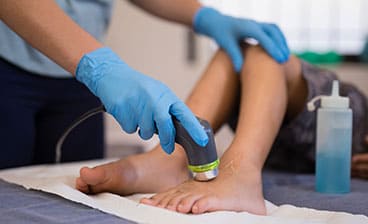 [Physical Therapy]
Uses heat, air, light, electricity, ultrasound and more to promote tissue healing and improve movement for functional recovery and rehabilitation of the painful area.
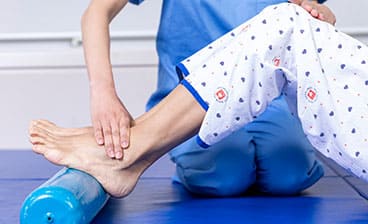 [Manual Therapy]
A hands-on treatment for pain. A specialized physical therapist assesses each patient's mobility and muscle condition to strengthen the muscles and improve movement.
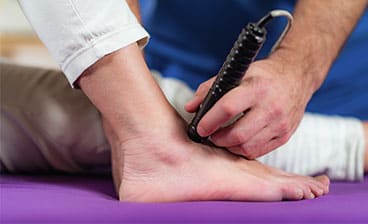 [Extracorporeal Shockwave Therapy (ESWT)]
A device that generates shockwaves treats musculoskeletal pain from outside the body. The strong waves help form new blood vessels and stimulate the surrounding tissue and bone, making it effective for pain relief.
Surgery is performed when the pain is so severe that walking is difficult.
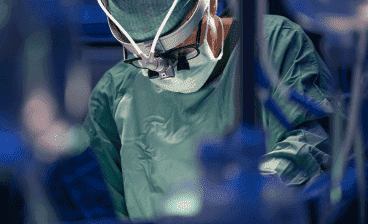 [Synovectomy]
Surgery that makes a 2–3 cm incision over the affected area and removes the inflamed tissue to relieve pain.


