

Learn about the symptoms, causes, self-check and treatment of developmental dysplasia of the hip.

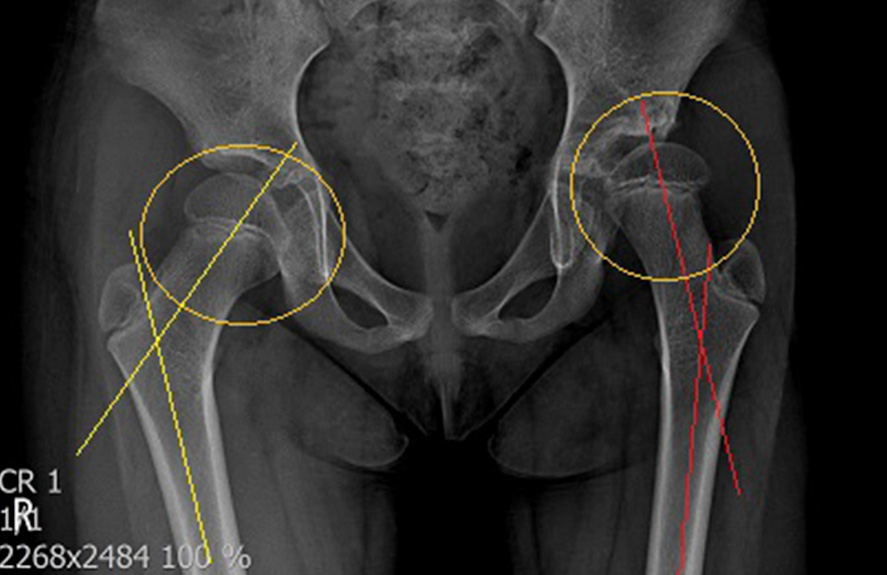
A condition in which the ball-shaped head of the thighbone is partly out of the hip socket because the acetabulum (socket) has not developed properly, either from birth or during development.
 01
The two legs are asymmetrical
 02
Limping
 03
The knees are at different heights when bent

Family history
Congenital factors

A small uterus or low amniotic fluid during pregnancy

Environmental factors such as nutrition and illness

The child's legs do not spread apart easily.
The two legs are different lengths.
When the child lies down with knees bent, the knees are at different heights.
The skin folds on the inner thighs are uneven between left and right.
The child walks with a limp (dislocation on one side).
The child waddles like a duck (dislocation on both sides).
TREATMENT
With correct treatment early on, a normal hip joint can form, but if left untreated, the condition can progress to arthritis or the hip can stay dislocated, causing serious disability. If it is found while the child is young, conservative treatment is possible, but if it is found and treated after the age of 4–5, surgery cannot be avoided, and complications may occur even after surgery, so early detection is important.
When symptoms are mild, non-surgical treatment such as adequate rest and compresses is tried first.
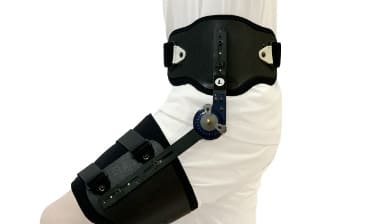 [Bracing]
If tissue damage is minimal or symptoms are mild, the area is immobilized with a cast or brace. It is best to keep the immobilized area still as much as possible and get plenty of rest.
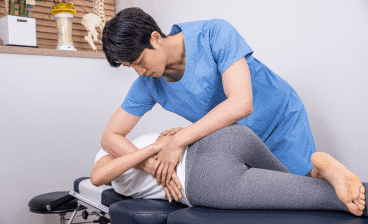 [Manual Therapy]
A form of physical therapy performed by hand by a specially trained manual therapist, based on knowledge of human anatomy and physiology.
If pain persists or worsens and interferes with daily life despite long-term non-surgical treatment and rest, surgery is performed, taking into account the patient's symptoms and age.
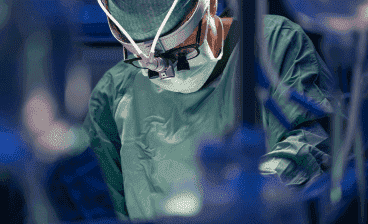 [Osteotomy]
If closed (manual) reduction fails or ongoing instability is expected, the hip is reduced surgically, and if deformity of the thighbone and pelvis has not resolved, an osteotomy, in which the bone is cut and realigned, may be performed at the same time.